How to Scale Employee Content Across Global Teams

Every 60 seconds, the internet explodes with activity.
Thousands of blog posts go live, millions of Facebook updates get shared, and countless hours of YouTube video are published.
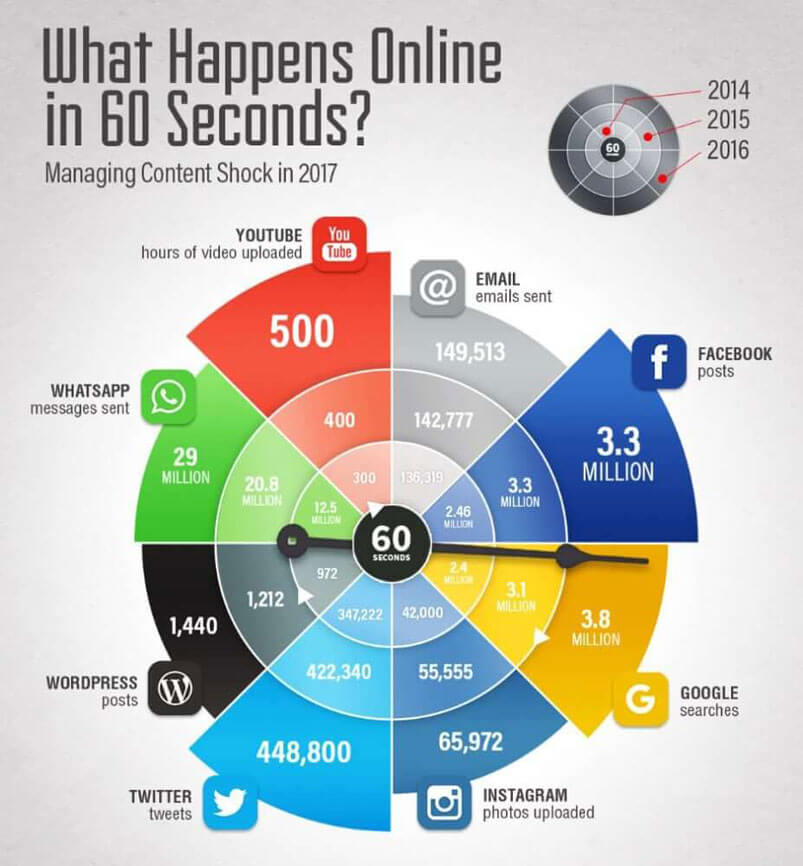
The sheer volume of content means companies have to produce more material than ever. Unlike the days when a single print ad could run in a few magazines, today brands must create tailored content for blogs, LinkedIn, Instagram, YouTube, and beyond—often with little extra budget.
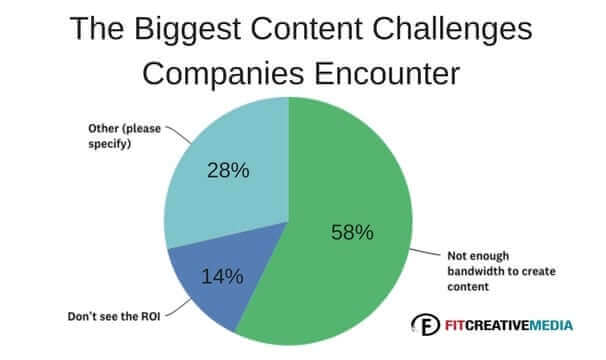
Source: Content Marketing Institute
So how are companies managing this surge?
By tapping into the voices of their employees—who are increasingly becoming content creators and trusted advocates in their own right.
Why Employee Content Works
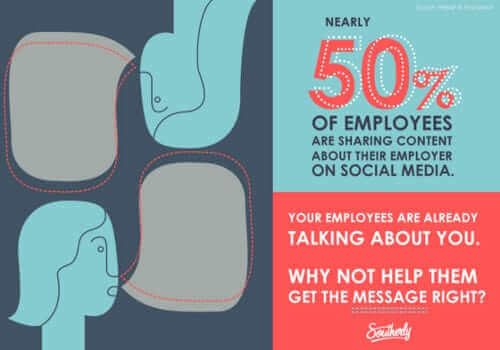
Think about it: almost everyone has at least one social media account. That makes every employee a potential broadcaster with a personal audience.
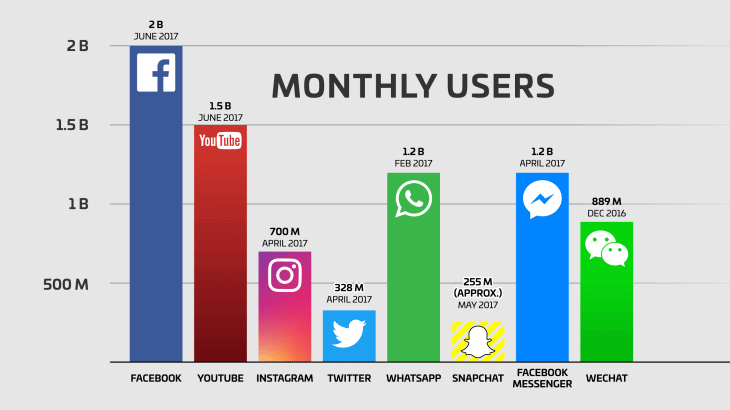
Employees carry credibility that brands alone can’t match. In fact, the click-through rate on content is 2x higher when shared by an employee than when shared by the company account.
Why? Because people trust people. According to LinkedIn’s Employee Advocacy resources, audiences are 3x more likely to trust information from an employee than from a CEO.
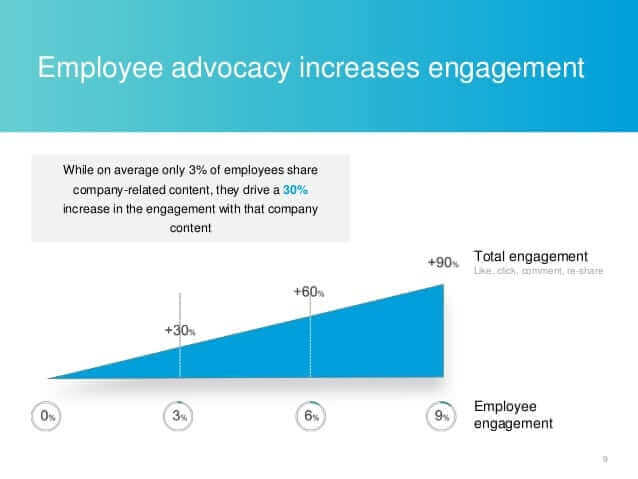
Employees also expand reach. Collectively, their networks are often 10x larger than a company’s branded following, and those networks are far more diverse.
Challenges of Scaling Employee Content
For small businesses, content creation is manageable. But for global enterprises, the hurdles multiply:
- Multiple departments and product lines
- Multi-language and regional considerations
- The need to stay consistent and on-brand
The key: building systems that make employee content easy to create, approve, and scale.
5 Steps to Scale Employee Content
1. Leverage All Departments
Don’t just rely on marketing. Tap into sales, HR, operations, and other teams. Projects, events, and team updates all make great content.
2. Capture Company Culture
Promote your culture internally so employees feel part of something bigger. When people identify with the mission, they’re eager to share.
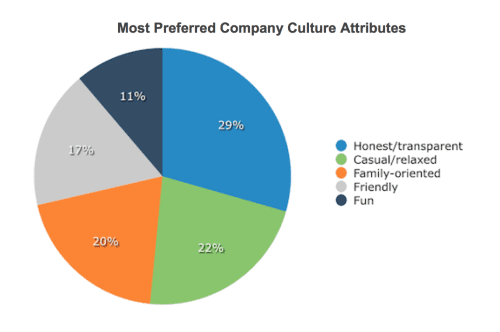
Source: Edelman Trust Barometer
3. Make Participation Simple
Provide clear guidelines, a central submission platform, and an easy process for employees to contribute ideas or posts.
4. Create an Approval Workflow
Put in place a streamlined workflow to review and approve content before publishing. Automation helps reduce bottlenecks and keeps everything on-brand.
5. Repurpose Content
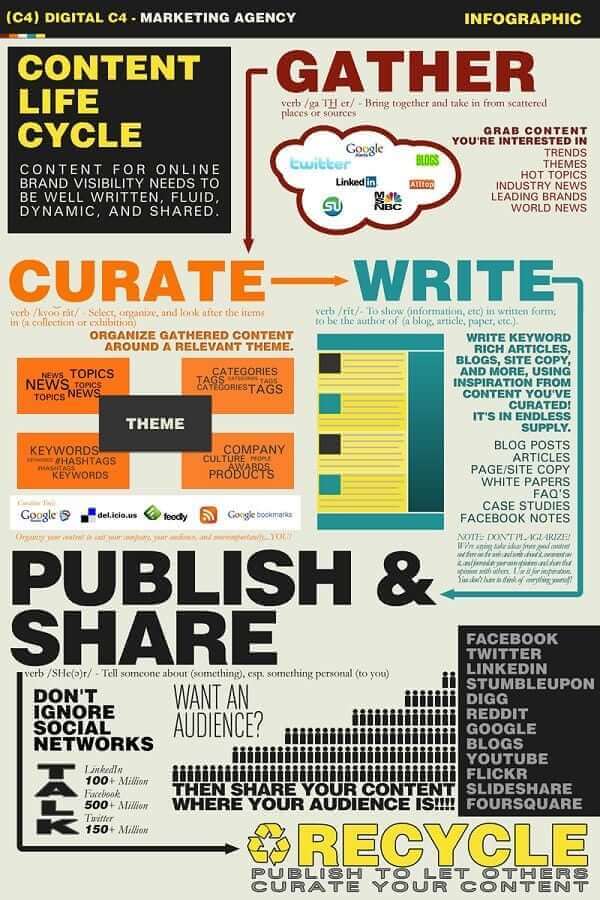
Reuse and remix employee posts into blogs, videos, or highlight reels. A single idea can become multiple assets across channels.
Brands Doing It Well
Brandly: Streamlining Design for Teams
At Brandly, we provide portals where employees can easily personalize on-brand templates—from business cards to other collateral. With built-in approval flows, large enterprises keep materials consistent while empowering staff worldwide.
Dell: Expanding Employee Advocacy
Dell has built a centralized advocacy program where employees share both their own posts and curated content. A guiding rule: 80% of posts should be helpful and relevant to customers, only 20% about Dell. This balance has helped employees share hundreds of thousands of pieces of content, driving tens of thousands of clicks back to Dell.
Source: Dell Technologies Blog
Zappos: Amplifying Culture
Zappos encourages employees to share daily life with the hashtag #ZapposCulture. The marketing team curates the best content, republishing it on official channels and even rewarding top contributors with leaderboards. This approach attracts both customers and potential employees.
Source: Zappos Culture
Final Thought: Why Scaling Employee Content Matters
Employees are the closest voices to your business. When their potential goes untapped, you miss a huge opportunity.
For small businesses, employee-driven content is simple. For global companies, scaling it is essential—helping save time, reduce costs, and maintain brand consistency while expanding reach worldwide.
Set Up Your Free Business Card Portal
Get Started