10 Essential Rules for Designing Your Business Card
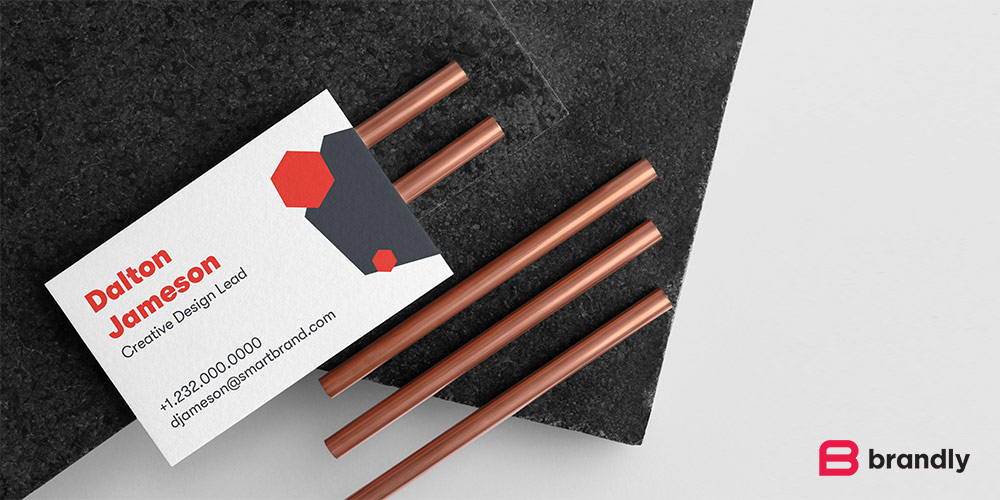
When it comes to creating a business card, it’s tempting to drop a few details onto a piece of cardstock and call it a day.
But a well-designed card should do more than share contact info. It can wow, differentiate you from competitors, and make sure new contacts remember you.
So what makes an effective business card? Three things: a clear concept, an intentional design, and a strong message.
If you’re ready to create a card with real impact, here are 10 rules to follow.
Content
- Content
- 1. What to put on a business card?
- 2. Keep Your Audience in Mind
- 3. Keep It On Brand
- 4. Get Creative and Stand Out
- 5. Keep It Simple
- 6. Consider Your Message
- 7. Make Your Business Card MORE Than Just a Business Card
- 8. Choose Your Specifications Carefully
- 9. Make It Easy to Replicate
- 10. Leave a Lasting Impression
- A Business Card is More Than Just a Business Card
1. What to put on a business card?
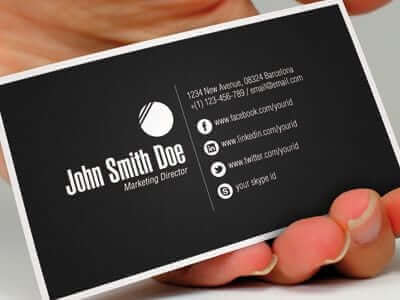
The purpose of a business card is to quickly transfer contact details. Overloading it with too much information just creates clutter.
Include only what matters most:
- Name
- Job title or position
- Email address
- Phone number
- Website
- Relevant social media handles
Optional extras:
- QR codes
- Headshots or images
- Company slogan
2. Keep Your Audience in Mind
Many people design cards to suit their own tastes, but the final destination is your recipient.
Think about who you’ll hand your card to, and design with their preferences and expectations in mind.
You can’t speak to everyone at once. A “neutral” card often appeals to no one. Instead, target your ideal audience.
3. Keep It On Brand
After someone receives your card, they’ll likely check your website, social channels, or email you.
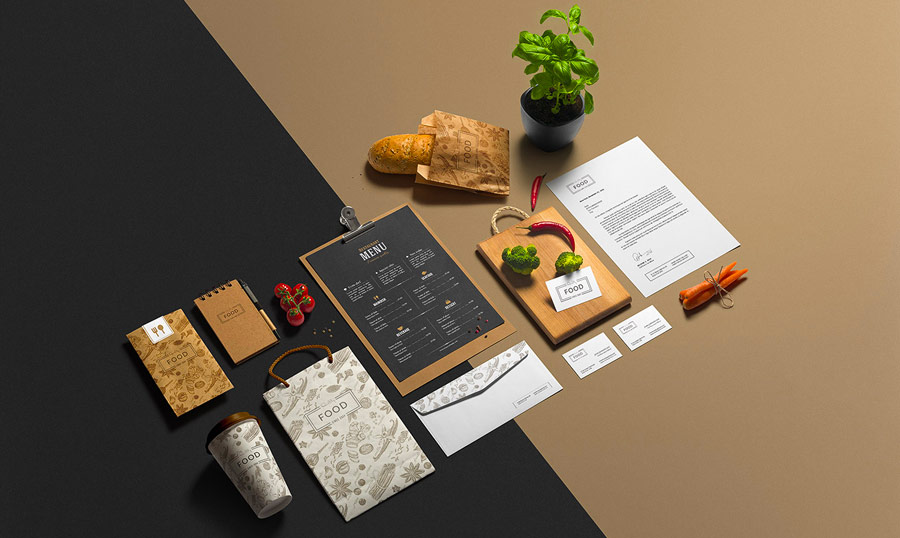
To create a seamless journey, align your card with your brand: use the same colors, fonts, logos, and taglines. This also ties into employee branding—each employee’s card should feel unique yet consistent with the company’s identity.
4. Get Creative and Stand Out
At networking events, stacks of cards get exchanged and forgotten. Creativity helps yours stand out.
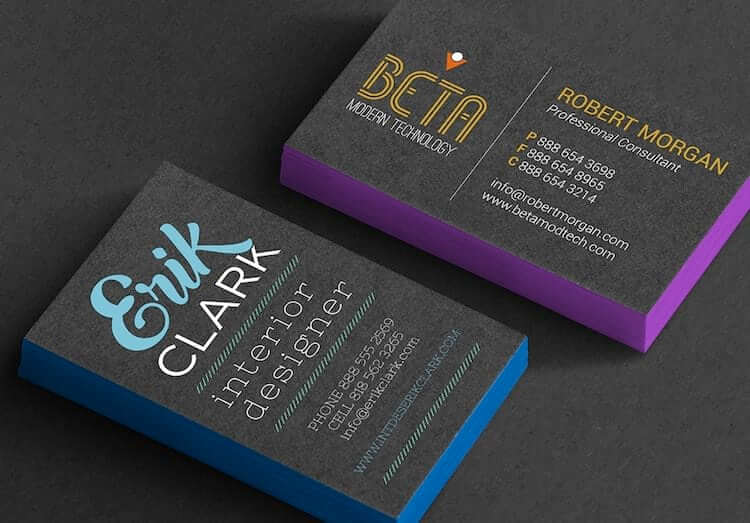
Try painting the edges in bold colors, using unique shapes with die-cutting, or experimenting with interactive design elements.
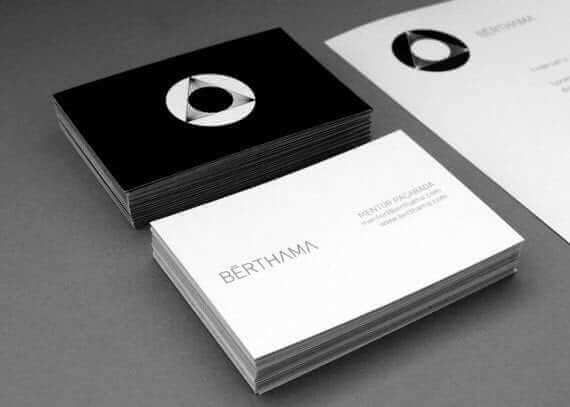
5. Keep It Simple
Too much detail makes cards hard to read. Instead, focus on clarity and white space.
Minimalism in design is on trend and perfect for ensuring your message lands quickly without overwhelming the recipient.
6. Consider Your Message
What impression do you want to leave once the conversation is over?
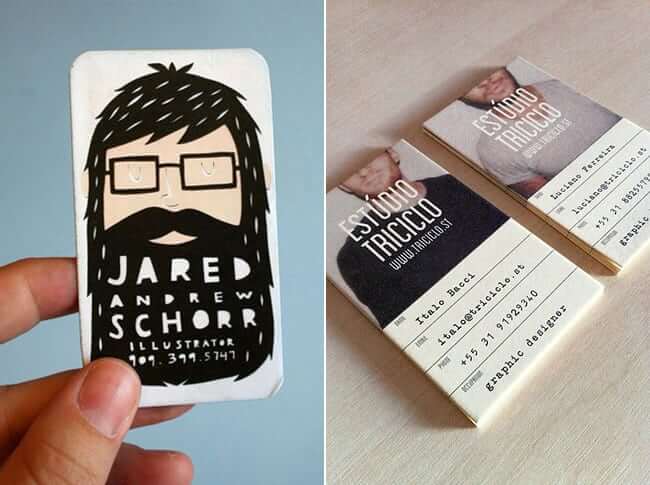
For example, a law firm using cartoon fonts and neon colors risks sending the wrong signal. Choose a style that fits your brand’s message—playful if you’re creative, polished if you’re professional.
More on why brand messaging matters.
7. Make Your Business Card MORE Than Just a Business Card
Yes, your card should transfer details, but it can also provide added value.
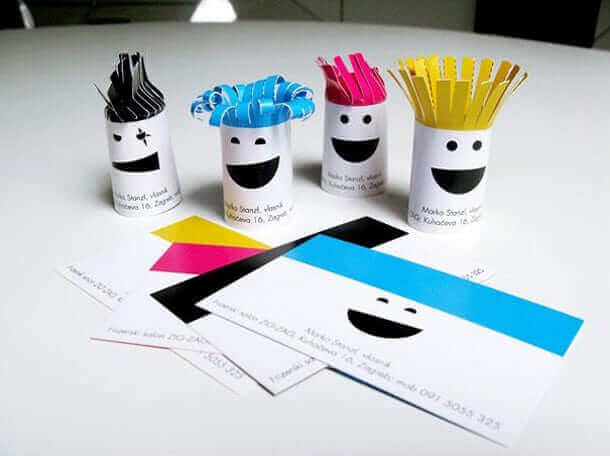
Since 88% of business cards are thrown away, consider ways to make yours memorable: print quick tips on the back, turn it into a foldable item, or explore unconventional designs.
8. Choose Your Specifications Carefully
Cards don’t have to be rectangular. They can take many forms.
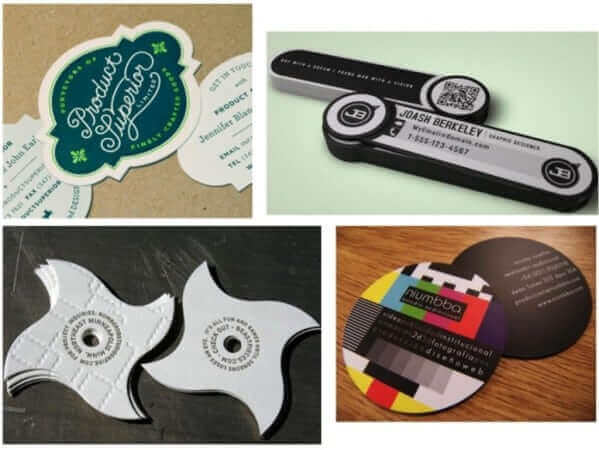
Think about:
- Size and orientation
- Material and finish
- Custom cuts or embossing
Make sure your specifications align with both your message and your audience.
9. Make It Easy to Replicate
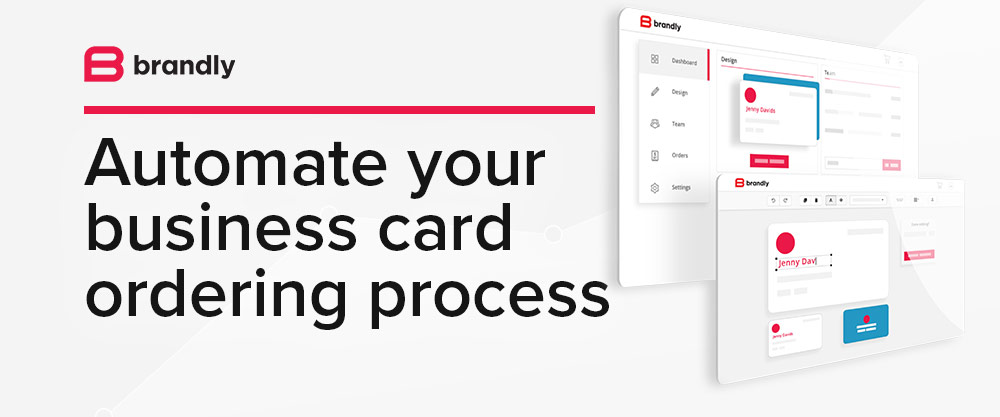
Producing hundreds of unique employee cards can be time-consuming. Automating the process saves time and ensures consistency.
Brandly is a free solution that helps companies streamline bulk orders. With employee self-service, quick company-wide rollouts, and free shipping, you can deliver high-quality cards without the hassle.
Try Brandly’s free business card portal
10. Leave a Lasting Impression
A business card that wows leaves a lasting impression.
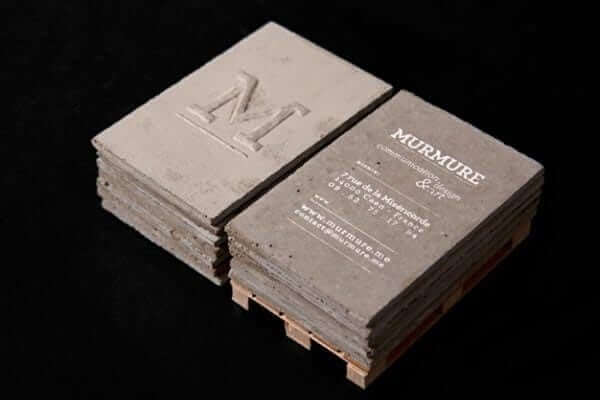
Polish the details: professional printing, legible fonts, and a finish that matches your brand personality. These details separate amateur designs from professional ones.
A Business Card is More Than Just a Business Card
A business card is an extension of your brand. To make sure it doesn’t end up in the recycling bin, combine simplicity with creativity, align it with your messaging, and refine the details.
At events where cards are exchanged by the dozen, the right design ensures yours is the one people remember.
If you’re ready to elevate your design game, subscribe to our newsletter—we’ll send you more tips on creating business cards with the “wow” factor.
Set Up Your Free Business Card Portal
Get Started