Ordering Wholesale Business Cards: What to Know

The business card has been around a long time. Before the surge of the digital world, it was a key way to share information with clients, customers, and colleagues.
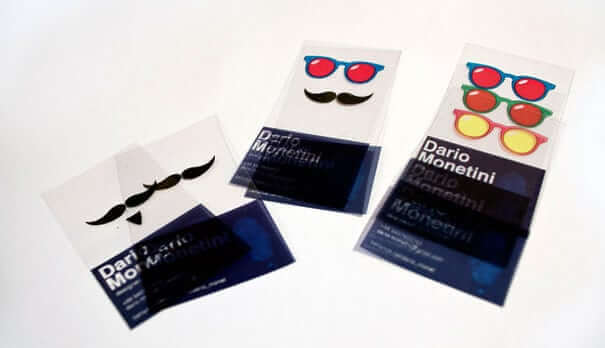
Even today—when websites and email are a tap away—the trusty business card still shows up at meetings, conferences, and everything in between.
You might think a card is just a piece of business stationery, but it’s more than that. It’s often a prospect’s first physical interaction with your brand, so your design needs to stand out and communicate clearly.
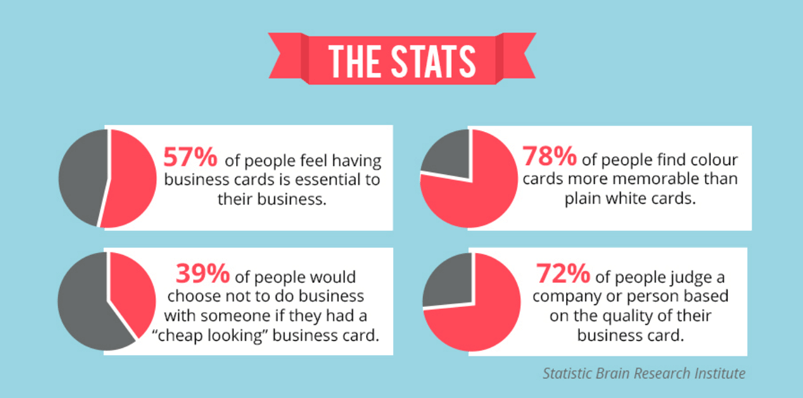
Some surveys report that 72% of people judge a company based on card quality, and 39% say they may skip doing business if a card feels low quality (SmallBizTrends). Treat those numbers as directional insight, not guarantees.
Designing individual cards for every team member, however, can be time-consuming and frustrating—especially at scale.
A card can be the difference between a memorable first impression and a missed opportunity. Here’s how wholesale (bulk) ordering helps—and how to do it well.
Why Wholesale Business Cards Are the Answer
Buying wholesale is a go-to move for many company needs—stationery, hardware, furniture—and business cards are no different.
The perks are universal:
- Lower unit costs thanks to bulk pricing
- Less admin when you place one coordinated order
- Consistency across departments and locations
Wholesale lets you ditch the stress of designing and ordering one-offs for every employee.
Remember, a well-made card can be a powerful in-person marketing tool.
How to Design and Order Wholesale Business Cards
Now that you know why wholesale saves money and time, here’s how to design and order effectively.
1) Decide What Goes On the Card
Like any card project, begin with content (what info belongs) and design (how it looks).
The Design
Your design should be eye-catching and on-brand—without sacrificing legibility. A few practical constraints:
- Keep live copy at least 5 mm from the edge
- Design at 300 dpi to avoid blur/pixelation
- Use typography large enough to read at arm’s length
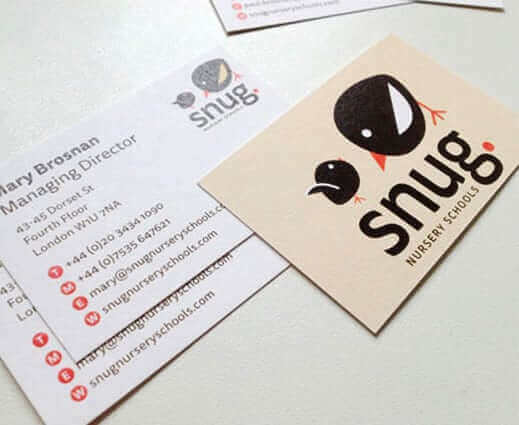
You might run a full-bleed image on one side and place all text on the other; or keep a clean, minimal layout with your logo in a clear, consistent position.
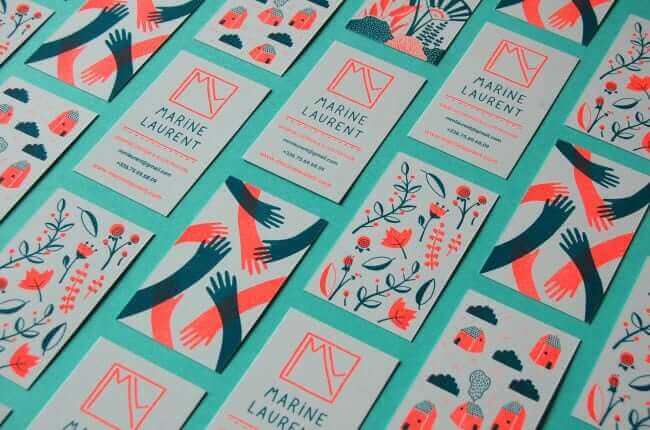
Choose a visual style that reflects your brand voice—bold colors/illustrations for playful brands, refined photography/monochrome for more formal brands.
The Text
Standard fields to include:
- Employee name
- Job title
- Contact details (phone, email)
- Website / QR code
- Relevant social handles
Prioritize based on purpose. Sales may emphasize direct contact; marketing might highlight social/QR to content.
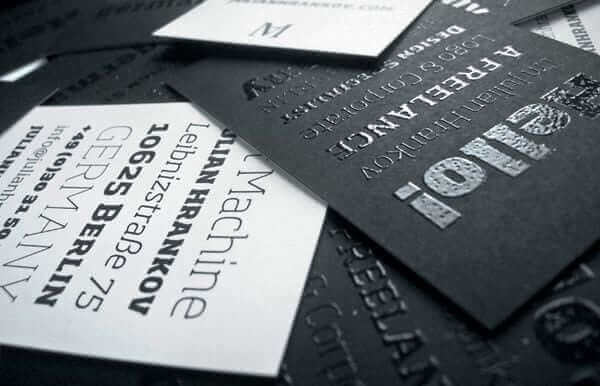
For more on aligning content with purpose, see a quick primer on card goals (BusinessNewsDaily).
2) Clarify the Impression You Want to Send
Once content and layout are in motion, make sure the message matches your brand.
Fonts: Fancy or Not-So-Fancy?
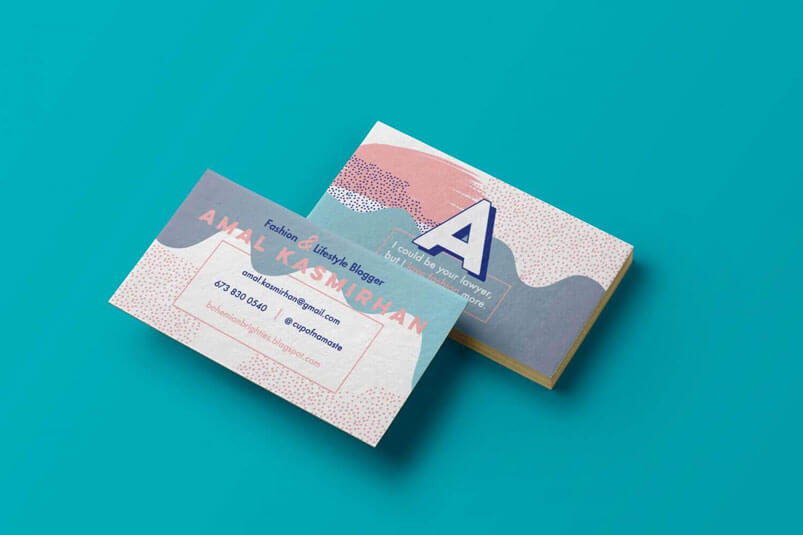
Use your brand typefaces for recognition and cohesion across web, print, and social. If you’re choosing new fonts, consider how you want clients to feel when they hold your card (Inc.).
A law firm using a playful, handwritten font sends a mixed signal; a clean serif/sans-serif pairing supports a professional tone.
Pick the Right Paper Quality
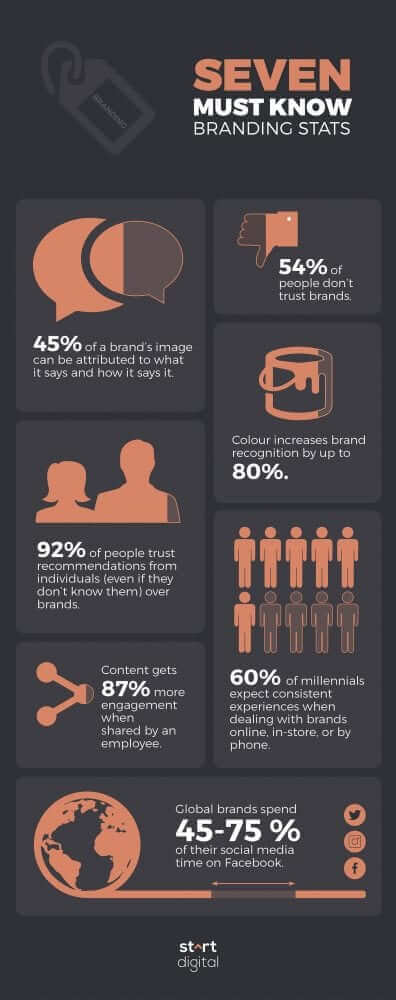
Cards are tactile. Paper weight and finish affect perceived quality.
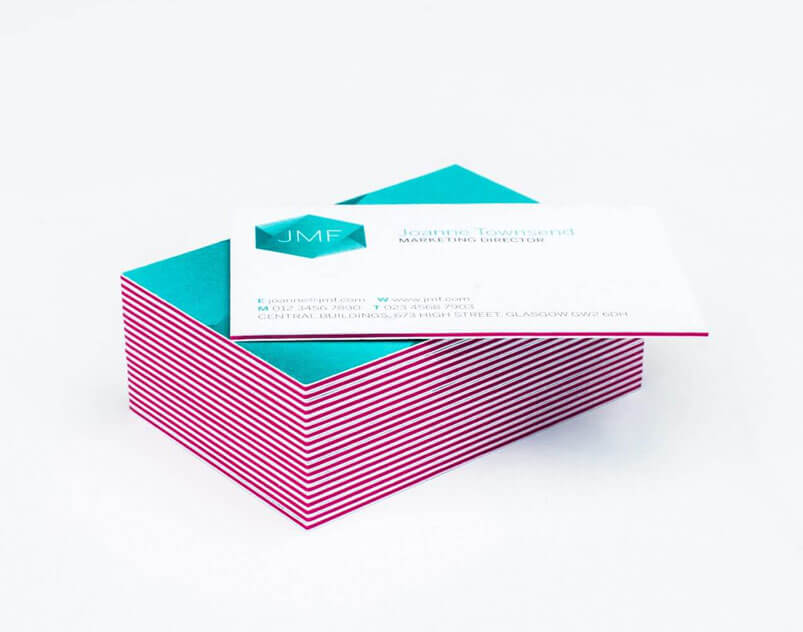
- Thickness: Common options include 14-point, 16-point, and premium double-thick stocks. Thicker cards cost more but feel sturdier and more premium.
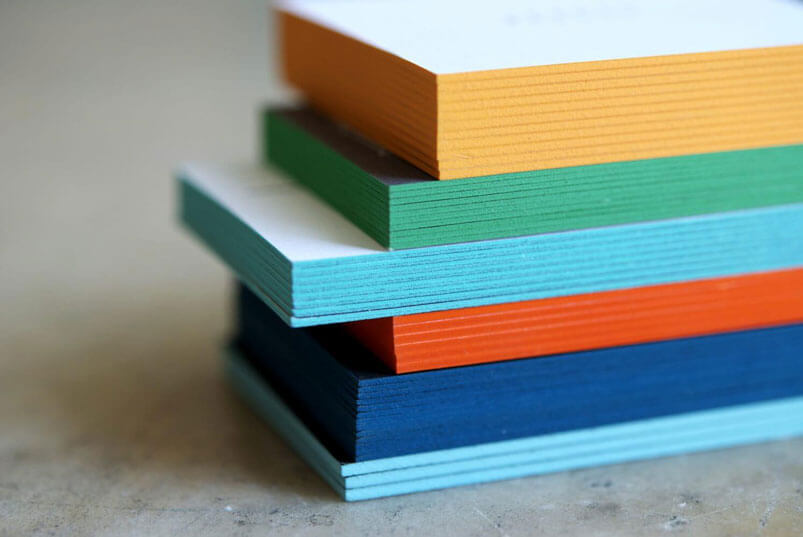
- Finish: Matte and gloss are common; you can also explore soft-touch, varnish, foil, embossing, and spot UV for emphasis.
Choose stock/finish combinations that reinforce your brand message and color palette.
3) Consider Shape (and Size)
Design, text, and finish—check. Next, consider shape. Standard rectangles are reliable, but unique shapes can help your card stand out in a stack (Inc.).
You might choose rounded corners, squares, or a custom die-cut that fits your brand.
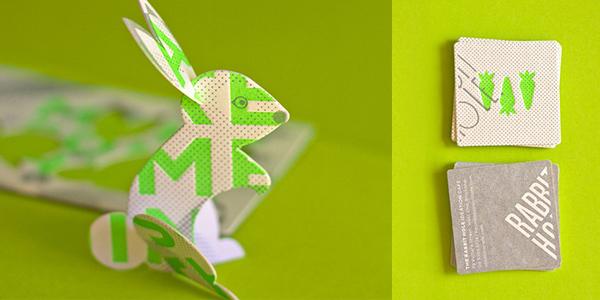
Whatever you pick, make sure it supports your brand and use case (Freelancer).
Kit Out Your Company With Wholesale Business Cards
If your teams attend conferences, meet clients, or network regularly, they’ll need cards—and lots of them.
For fast-growing companies with multiple departments, wholesale ordering reduces costs and complexity while keeping branding tight. As one of your most important in-person marketing tools, a great card helps you make the most of every introduction.
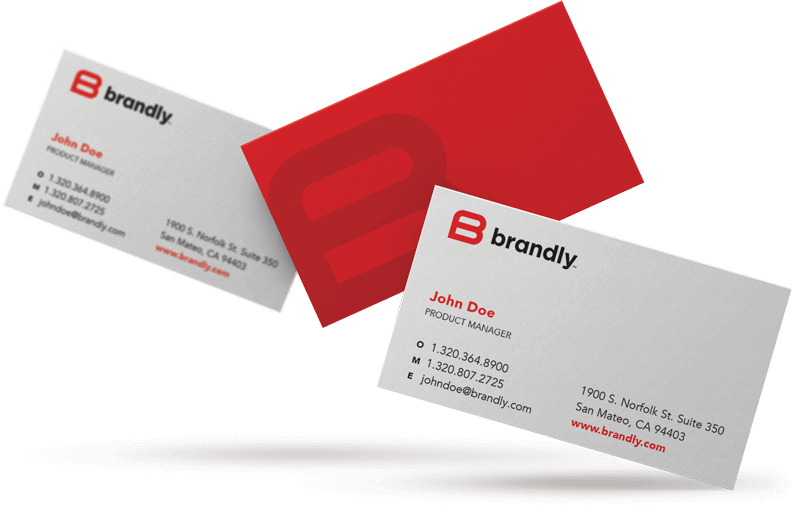
Worried about keeping everything consistent? Brandly can help. Upload a master template, lock brand elements, and re-use it across departments. Admins (or employees, with permissions) can log in, update details, and print—without reinventing the design.
That means faster turnarounds, fewer errors, and less time spent chasing one-off orders.
If you’re ready to make business cards that stand out, sign up for our newsletter. We’ll send tips and tricks on business card design and more.
Set Up Your Free Business Card Portal
Get Started